Hi, I'm Harriet — and the morning Sultanahmet completely untangled me
I work in NHS public health communications in Bristol, where most weeks feel like a blur of spreadsheets. This is the story of the damp Friday morning in Sultanahmet when Istanbul first stopped me in my tracks.
Hi, I'm Harriet. By Monday morning I am usually back at my desk in Bristol, wading through NHS public health campaign schedules and trying to persuade people that fresh air and sensible sleep might improve their lives. But several times a year, my partner and I throw clean socks and comfortable walking shoes into small cabin bags and catch an early flight out to Istanbul.
I started scribbling down notes in a pocket notebook on our very first trip together. We had arrived in the city late on a rainy Thursday, groggy and slightly overwhelmed, but woke up to brilliant, watery sunshine reflecting off old tram tracks and the distant sound of seagulls over the Marmara Sea. That was the day I realised Istanbul was not a museum to be rushed through with a checklist; it was a living, breathing place that demanded you slow your pace and pay attention.
Climbing into the light at Hagia Sophia
We began after breakfast, wandering out across the square towards Hagia Sophia. In my work life, I spend an absurd amount of energy trying to avoid awkward social situations, so I had already spent the previous evening fussing about dress codes. I had packed a lightweight linen scarf in my coat pocket and made sure my shoulders and knees were completely covered, which spared me any fretful moments at the door.
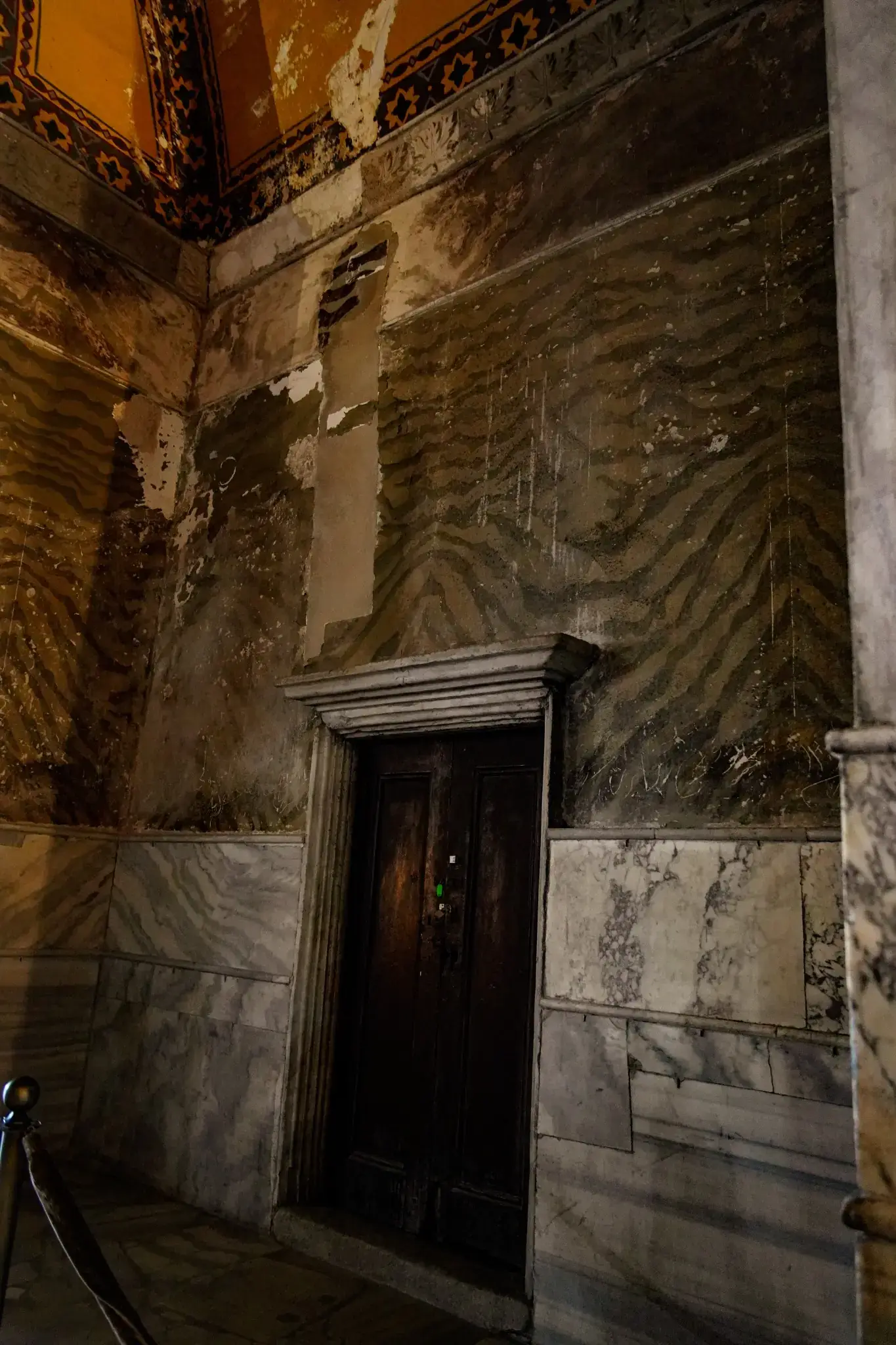
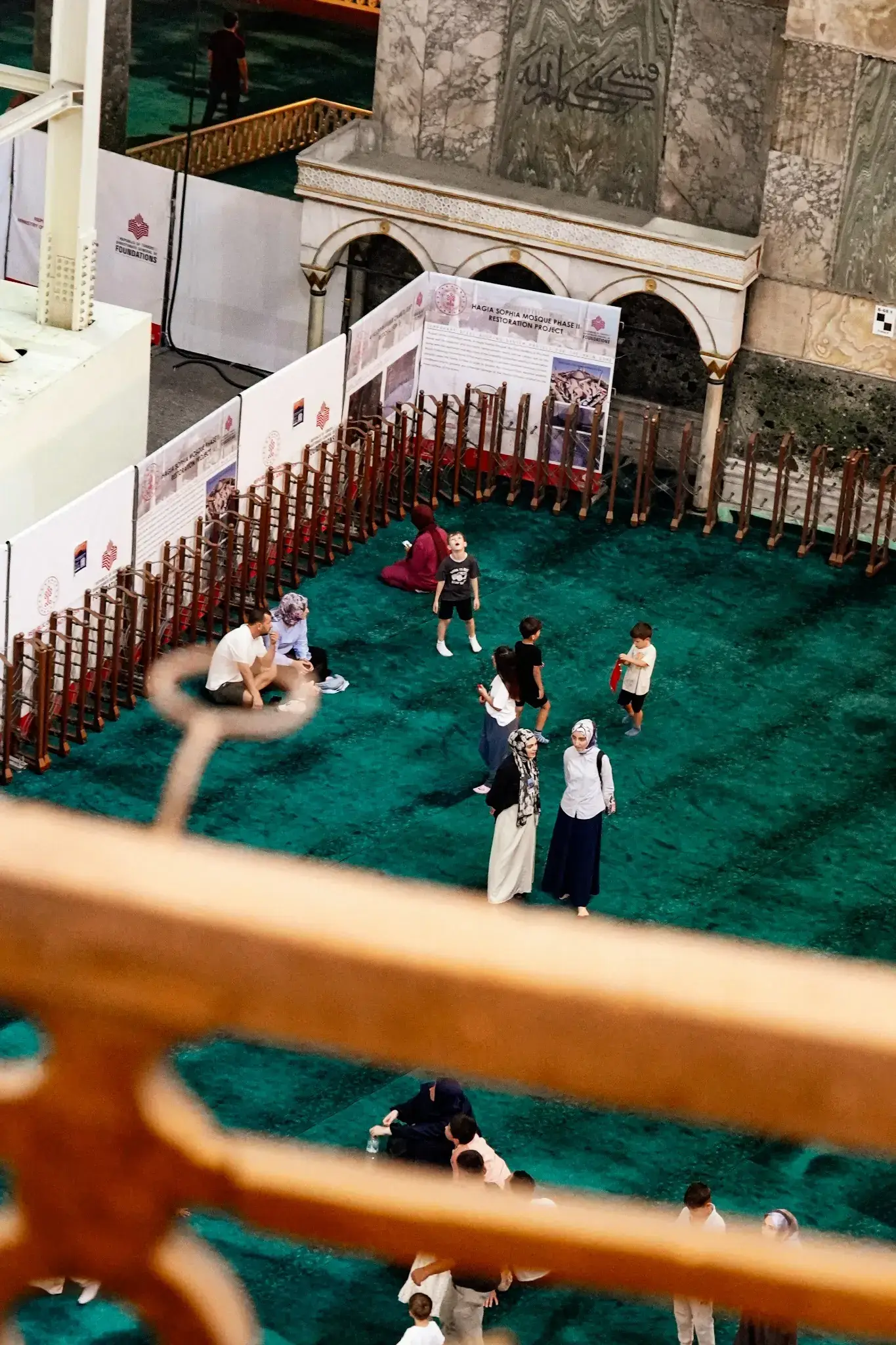
Visitors enter via the upper galleries now, and moving along those ancient stone ramps felt remarkably solemn after the bustle of the street outside. When we finally emerged onto the gallery floor, the sheer scale of the place took my breath away. Sixth-century Byzantine emperors stood right where I was leaning on the marble balustrades, gazing down into the vast cavern of the nave below. Huge green Ottoman calligraphy medallions hung suspended in the golden light, sharing space with centuries-old Christian brickwork.
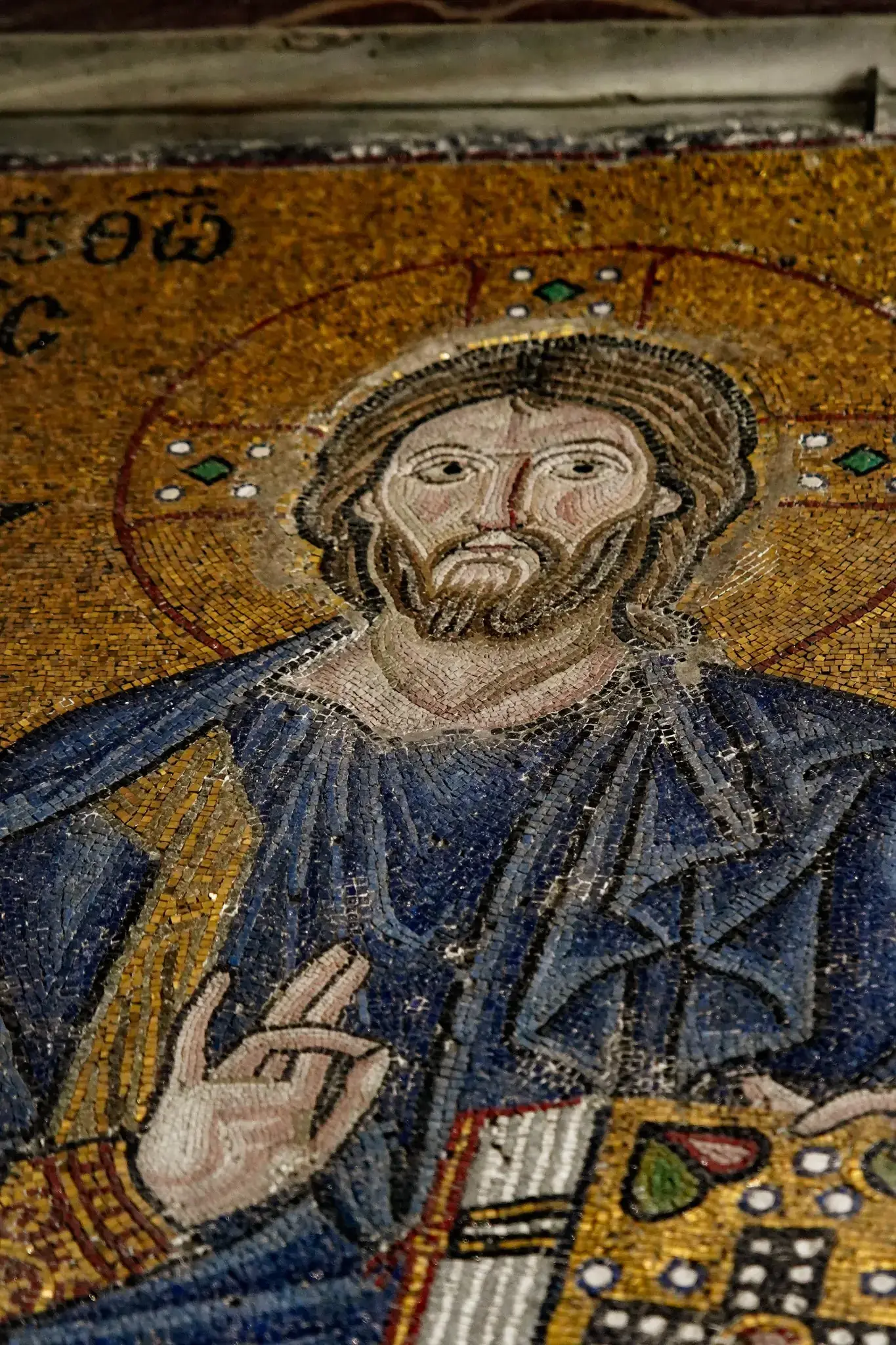
What truly rooted me to the spot was the Deesis mosaic. I had seen photographs in textbooks, of course, but standing inches away from Christ’s sorrowful, gentle expression rendered in millions of tiny gilded glass cubes made my eyes sting. It is astonishing that something so fragile survived earthquakes, sieges, and damp centuries intact.
Sinking below the cobbles into the Cistern
By midday, our feet were already beginning to lodge mild protests, and the midday sun was warming the peninsula pavements. We crossed the tram line just opposite the square and slipped down the steps into the Basilica Cistern.
Stepping out of the bright Turkish daylight into that subterranean forest was like dropping straight into a cool, echoing dream. The air down there is wonderfully damp and calm, smelling faintly of ancient stone and deep water. We walked slowly along the raised timber walkways suspended over the shallow pool, watching carps glide between rows of carved marble columns rescued from long-forgotten Roman temples.
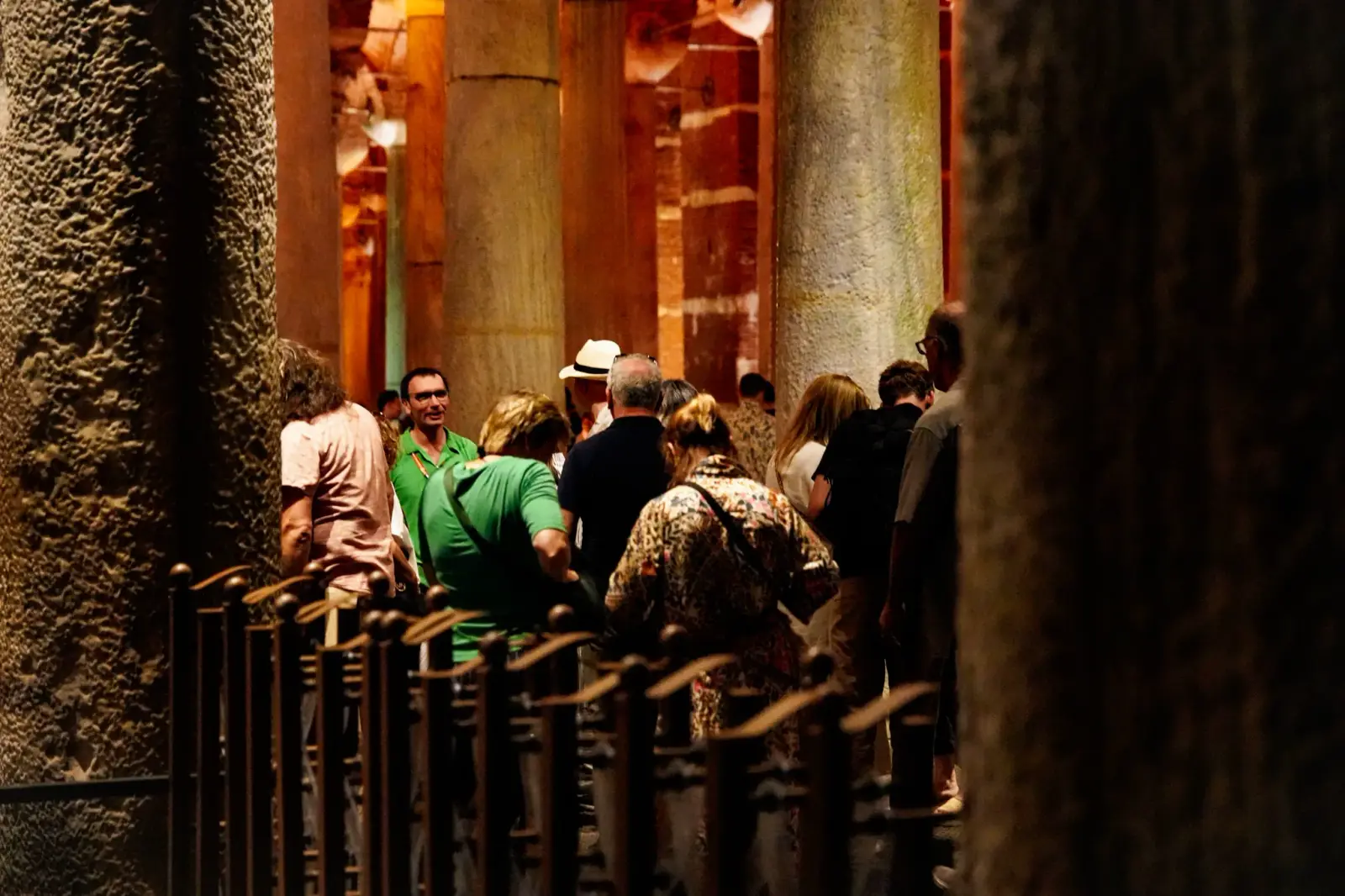
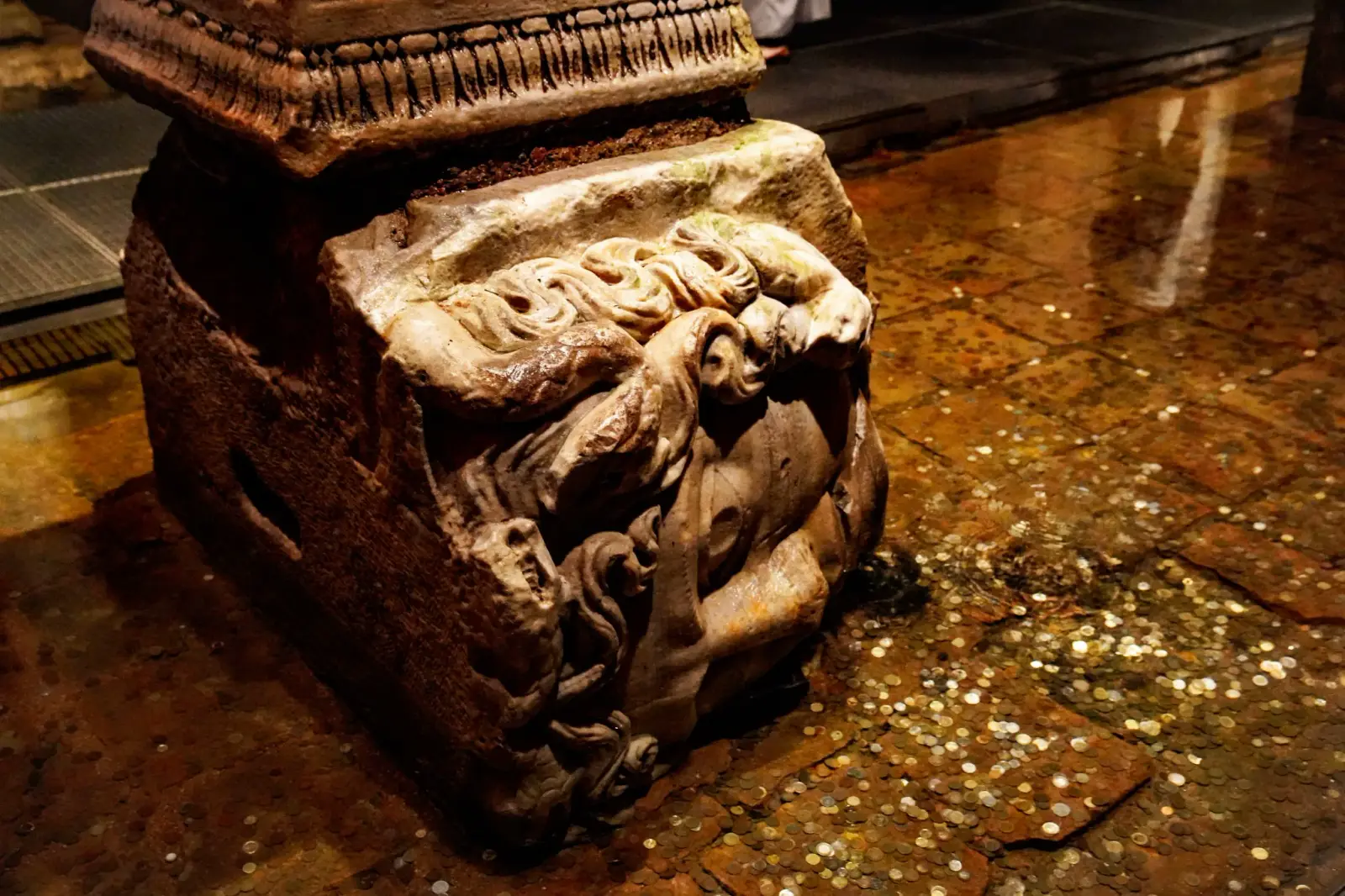
At the far corner of the reservoir, we joined the small hush of visitors peering down at the Medusa heads supporting two massive pillars. One lies turned completely on her side, the other turned upside down, submerged in the shadows with stone serpents curling around her cheeks. Nobody quite knows whether the Byzantine builders laid them like that out of superstitious caution to nullify the Gorgon’s gaze, or simply because the salvaged blocks fit the required height better that way. That pragmatic streak appealed to me immensely.
We lingered by the weeping column, listening to water droplets echo in the dark vault above, before emerging back into the warm afternoon air feeling completely refreshed.
Tickets and visiting hoursBasilica Cistern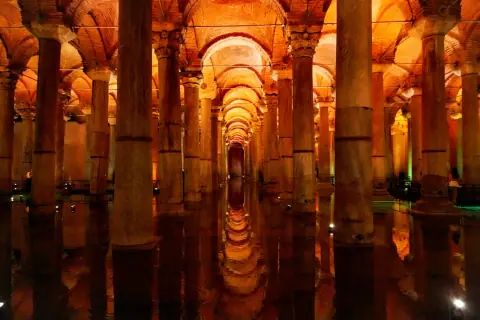
That evening, sitting at a low table with a glass of chilled white wine and a plate of grilled flatbread while the call to prayer drifted across the rooftops, I took out my pen and wrote my first entry. I realised that what makes this city unforgettable isn't how many monuments you tick off before lunch, but how you feel when you give each ancient corner the breathing space it deserves.